Why Brooklyn Can Feel Isolating for LGBTQIA+ Folks
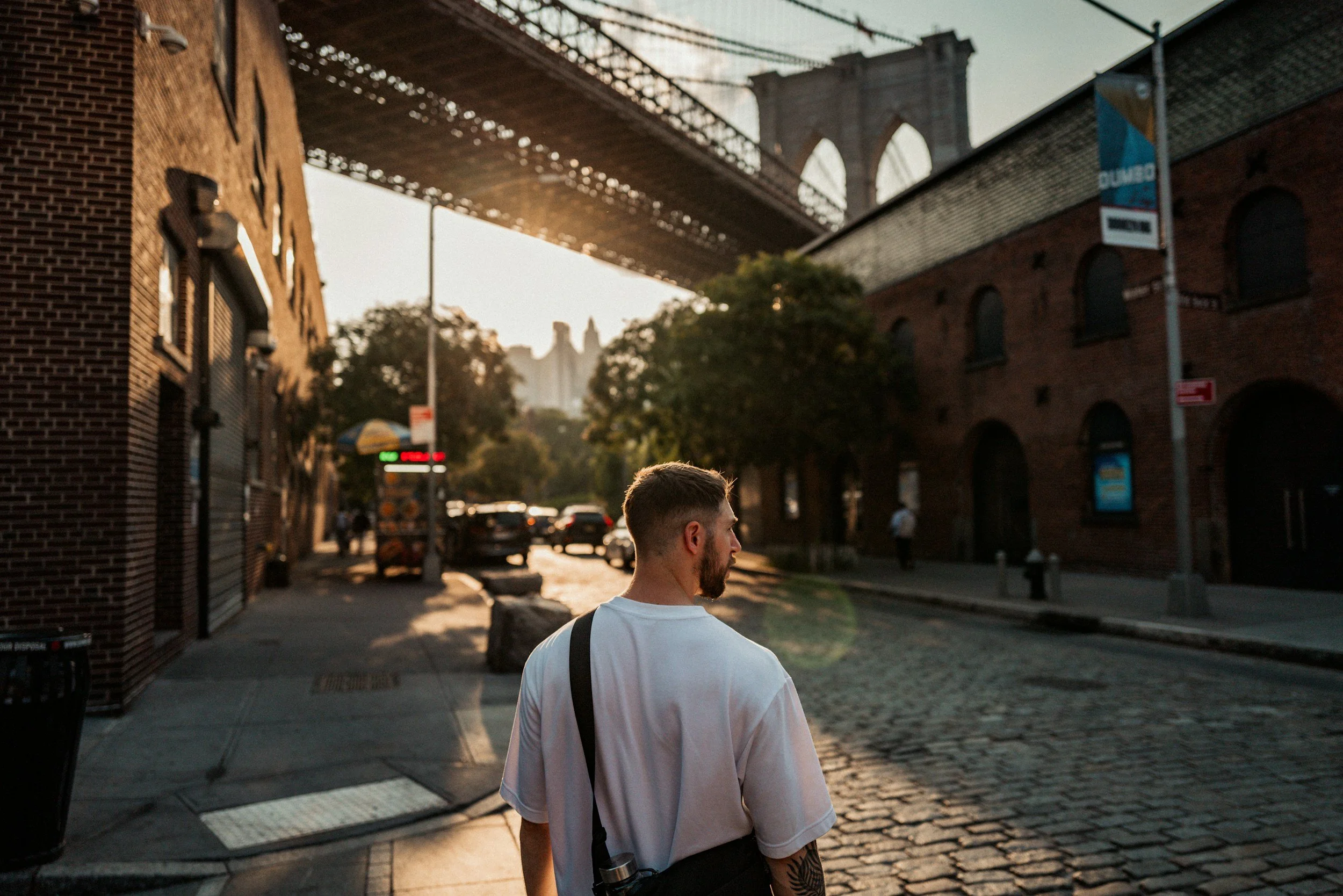
Even in diverse cities like Brooklyn, LGBTQIA+ individuals may experience emotional isolation and seek deeper connection and belonging.
Brooklyn is often described as diverse, vibrant, and inclusive. For many LGBTQIA+ people, it can also be a place of community, visibility, and freedom.
But there is another side to this experience that is not talked about as often. Even in a large, progressive borough, many LGBTQIA+ folks still feel isolated, disconnected, or unseen in their day-to-day lives.
This can feel confusing. How can a place known for diversity still feel lonely?
The answer is often more complex than geography. Isolation is not just about who is around you. It is about whether you feel emotionally safe, socially connected, and fully seen.
Isolation Does Not Always Mean Being Alone
One of the most important things to understand is that isolation is not the same as physical solitude.
Many LGBTQIA+ people in Brooklyn are surrounded by others every day. They may live with roommates, work in busy environments, or spend time in social spaces.
Yet they may still feel:
Emotionally disconnected
Unseen in important parts of identity
Unsure where they fully belong
Socially exhausted from masking or filtering themselves
This type of isolation is emotional rather than physical. It can be harder to recognize and even harder to name.
Why LGBTQIA+ Isolation Can Persist in NYC
Even in cities known for inclusivity, isolation can still happen for several reasons.
1. Social fragmentation
Brooklyn is large and constantly changing. People often move frequently, making long-term connection harder.
2. Economic pressure
High cost of living can lead to long work hours and limited time for community building.
3. Identity invisibility in daily life
Even in progressive spaces, not every environment feels fully affirming or safe.
4. Past relational experiences
Many LGBTQIA+ individuals carry histories of rejection, misunderstanding, or concealment that affect current relationships.
According to the American Psychological Association, social connection and belonging are essential components of psychological well-being, especially for LGBTQIA+ individuals.
The Impact of Feeling Unseen
When people do not feel fully seen in their identity, it can impact emotional well-being over time.
This may show up as:
Withdrawal from social spaces
Difficulty trusting new relationships
Feeling “different” even in LGBTQIA+ communities
Emotional exhaustion from explaining identity repeatedly
A sense of being present but not fully connected
This is not a personal failure. It is often a response to environments that do not fully reflect or affirm lived experience.
If you are experiencing ongoing feelings of disconnection or emotional overwhelm, you can learn more about our LGBTQIA+ affirming therapy services.
Community Does Not Always Equal Connection
It is important to distinguish between visibility and connection.
Brooklyn offers many LGBTQIA+ spaces, events, and communities. However, being around others with shared identity does not automatically create emotional closeness.
Some people still experience:
Superficial social interactions
Difficulty forming deeper friendships
Feeling like an outsider within queer spaces
Pressure to present a certain version of identity
The National Alliance on Mental Illness (NAMI) emphasizes that belonging and authentic connection are key protective factors for mental health, especially for marginalized communities.
Internalized Messages Can Shape Connection
Many LGBTQIA+ individuals grow up with messages that shape how they relate to others. These may include:
“I need to hide parts of myself”
“I do not fully belong anywhere”
“I have to earn acceptance”
“People will not understand me fully”
Even after entering affirming environments, these internal beliefs can persist. They can influence how people show up in relationships, even when external acceptance is present.
This is one reason isolation can continue even in supportive cities.
Why Brooklyn Can Feel Emotionally Overwhelming
Brooklyn is full of stimulation, movement, and social energy. For some people, this can feel exciting. For others, it can feel overwhelming or draining.
When emotional safety is not consistent, constant stimulation can increase feelings of disconnection rather than reduce them.
Some LGBTQIA+ individuals describe feeling:
Invisible in crowded spaces
Emotionally overstimulated
Disconnected despite being surrounded by people
Tired of constantly navigating social cues
These experiences are valid and common.
If navigating identity and relationships is feeling overwhelming, our Brooklyn therapy services page offers a supportive space to explore these experiences.
The Role of Relationships in Reducing Isolation
One of the most powerful ways to reduce isolation is through consistent, emotionally safe relationships.
These relationships may include:
Friends who understand your identity without explanation
Romantic partners who offer emotional security
Community spaces that feel genuinely welcoming
Therapists who are affirming and attuned
Connection is not about quantity. It is about depth, safety, and authenticity.
The Trevor Project highlights that affirming relationships and supportive environments significantly improve mental health outcomes for LGBTQIA+ individuals.
Therapy as a Space for Belonging and Reflection
For many people, therapy becomes one of the first places where they feel fully seen without needing to perform or explain themselves.
In an affirming therapeutic space, you can:
Explore identity without pressure
Process experiences of isolation or disconnection
Understand relational patterns
Build emotional safety and self-trust
Develop more fulfilling connections
Therapy is not about fixing identity. It is about creating space for understanding and integration.
You Are Not Alone in Feeling This Way
Feeling isolated in Brooklyn does not mean something is wrong with you. It often means you are navigating a complex intersection of identity, environment, and relational history.
Many LGBTQIA+ people share these experiences quietly. Naming them is often the first step toward change.
Looking for More Connection and Support?
If you are feeling disconnected, unseen, or overwhelmed navigating identity and relationships in Brooklyn, support is available.
Therapy can offer a grounded space to explore what connection and belonging look like for you.
You can [schedule a consultation to learn more about working together in an affirming, supportive environment.