Modern Love in the Borough: The Unique Challenges of LGBTQIA+ Couples in Brooklyn
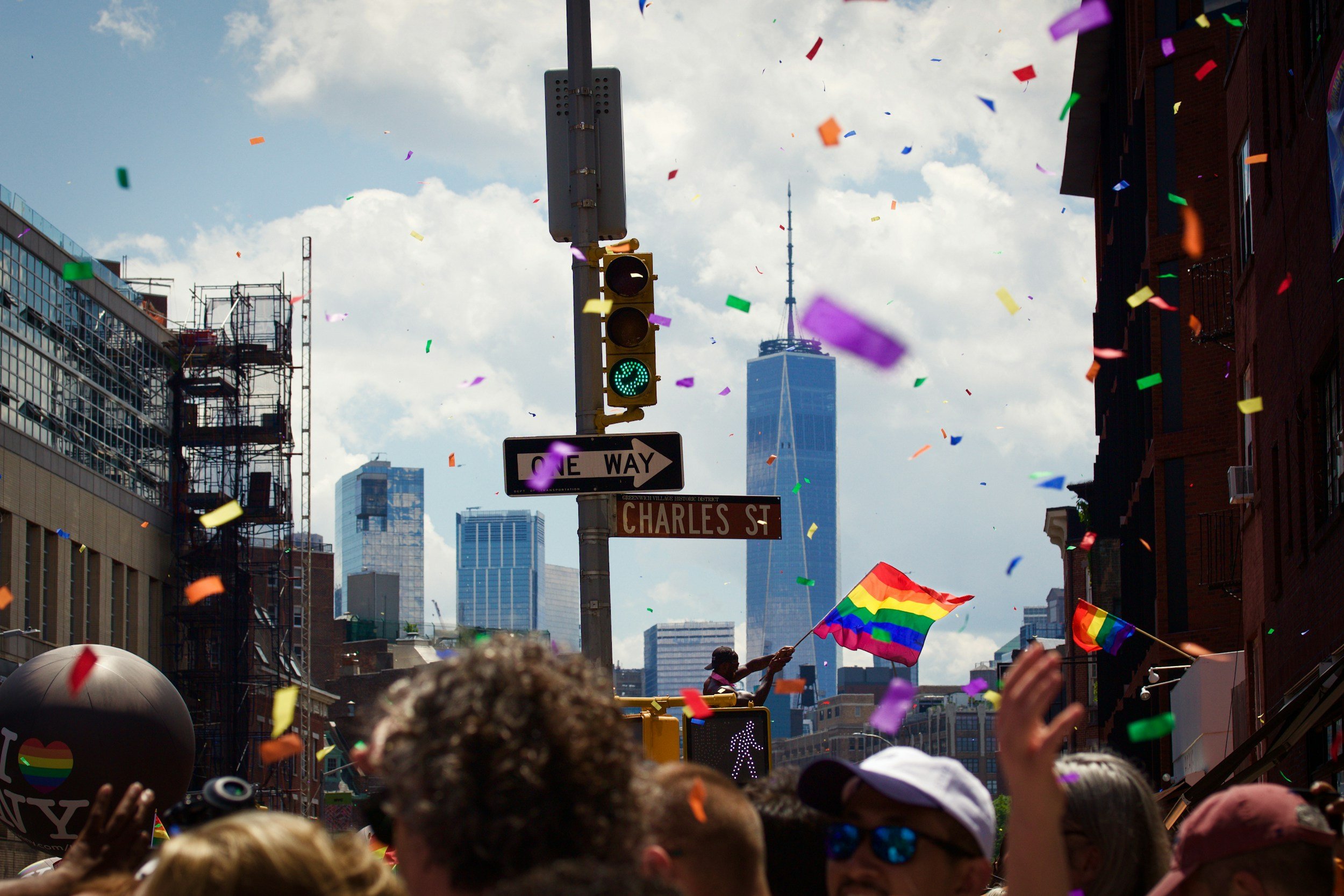
Joy and visibility at the West Village Pride Parade. While hubs like NYC offer incredible celebration, sustaining a thriving relationship in the city involves navigating unique pressures.
Brooklyn is often hailed as a global sanctuary for the LGBTQIA+ community. From the historic drag scene in Bushwick to the inclusive storefronts of Park Slope, the borough offers a sense of belonging that is hard to find elsewhere.
However, being part of a "mecca" for queer life does not mean relationships here are without friction. In fact, the specific cultural and economic landscape of Brooklyn creates a unique set of pressures for LGBTQIA+ couples that often go unaddressed in mainstream relationship advice.
To thrive here, couples must navigate a complex web of community expectations, financial hurdles, and the ever present "Small Town Brooklyn" effect.
The Pressure of the Queer Aesthetic
In a borough defined by its trends and visual identity, many couples feel an unspoken pressure to perform a specific version of queer joy. Brooklyn is not just a place to live; for many, it is a stage.
The Comparison Trap: Seeing other local couples constantly attending community events or traveling can lead to a sense of inadequacy.
Social Media Fatigue: You might wonder why your relationship feels like "dinner and Netflix" when the rest of the borough seems to be living a high stakes lifestyle.
The "Representative" Role: In progressive neighborhoods, there is often a feeling that your relationship must serve as a beacon of success for the community.
This makes admitting to "normal" relationship struggles feel like a failure of the movement itself.
Navigating the Ex Factor in a Tight Knit Community
While Brooklyn is geographically large, the LGBTQIA+ community can often feel like a small village. This "Small Town Brooklyn" effect creates unique hurdles for partners trying to establish healthy boundaries.
Unlike heteronormative dating scenes where an ex might disappear, queer Brooklyn is a web of overlapping social circles. It is common to run into an ex partner at the local coffee shop or find your current partner is friends with your former flame’s best friend.
Privacy and Boundaries
High density living and tight social groups mean that private relationship issues can quickly become neighborhood gossip.
Partners may feel they have to "share" their social spaces with people from their past, which can trigger jealousy or insecurity if not handled with extreme transparency.
If the pressure of community visibility is affecting your mental health, individual therapy can provide a private space to explore your identity away from the noise.
The Financial Hustle and the Gentrification Gap
Brooklyn is one of the most expensive places to live in the world. For LGBTQIA+ couples, who may lack familial financial safety nets, the cost of living is a major stressor.
Many couples find themselves "roommate locked," staying in a relationship longer than they should because neither can afford to move out and find a new apartment alone.
The Cost of the Hustle
The "side hustle" culture of Brooklyn means partners often spend less quality time together. When both people are working three jobs to afford a one bedroom in Crown Heights, the relationship often gets the "scraps" of their energy.
This leads to emotional distance and what clinicians often call "roommate syndrome," where romance is replaced by the logistics of survival.
The Intersection of Safety and Privilege
Brooklyn is incredibly diverse, but safety and comfort are not distributed equally across all zip codes. A challenge unique to many Brooklyn couples involves navigating different levels of privilege.
Safety disparity is a common point of friction. One partner may feel perfectly safe walking hand in hand in Williamsburg, while the other—perhaps a person of color or someone who presents as gender non conforming—feels hyper aware of their surroundings.
Finding "third spaces" where both partners feel equally celebrated and safe requires constant communication and negotiation. It is not just about where you want to eat; it is about where you both feel you can exist without looking over your shoulder.
Navigating these layers of identity requires a therapist who understands the nuances of gender and sexual diversity and how they intersect with urban life.
The Complexities of Open Relationships
Brooklyn is at the forefront of the shift toward ethical non monogamy (ENM) and polyamory. While this offers freedom, it also introduces a layer of complexity that traditional advice fails to cover.
Managing the Modern Dynamic
Polyamorous Burnout: Managing multiple schedules and Google Calendars in a fast paced city can lead to exhaustion.
Peer Pressure: Sometimes couples feel they "should" be open because it is the norm in their social circle, even if their nervous system craves monogamy.
The Pioneer Effect: Without traditional models to follow, Brooklyn couples are often "pioneering" their dynamics, which requires a high level of emotional intelligence.
Chosen Family vs. Partner Conflict
The concept of "Chosen Family" is a cornerstone of queer survival, but it can sometimes create tension within a romantic partnership. When friends are also the primary support system, it can be hard to prioritize the partnership without feeling like you are "abandoning" the community.
Loyalty conflicts arise if a partner and a member of the chosen family do not get along. Because queer folk often rely on their friends for emotional support that biological families might not provide, being caught in the middle can feel devastating.
The Impact of Physical Space
We cannot talk about Brooklyn without talking about the apartments. Living in cramped quarters with thin walls and no outdoor space changes how couples fight and how they reconcile.
In a borough where you can hear your neighbor’s TikToks through the wall, finding a place for a "private" argument is nearly impossible. This lack of "physical breathing room" often leads to emotional claustrophobia.
Creating Room to Breathe
Couples who thrive in Brooklyn are those who have learned the art of "taking space" while staying in the same room, or who utilize the borough’s parks and public spaces as an extension of their living room.
Our specialized couples therapy sessions provide an affirming environment to navigate the specific cultural pressures of being a queer couple in NYC.
Moving Toward a Conscious Partnership
Thriving as a queer couple in Brooklyn requires more than just shared values; it requires a commitment to intentionality. To protect your bond, consider the following strategies:
Define Your Own Success: Ignore the Brooklyn "standard." Decide what your relationship needs, whether that is a quiet night in or a weekend away.
Set Community Boundaries: It is okay to opt out of events or limit social media engagement to protect your bond.
Practice Radical Transparency: In a tight knit community, honesty is your best defense against gossip and insecurity.
To explore the broader context of these challenges, The Williams Institute at UCLA School of Law provides foundational research on the economic and social realities of LGBTQIA+ populations.
Additionally, The Trevor Project offers resources on the impact of community support on queer well being. For those navigating non traditional structures, the American Psychological Association offers insights into the health of diverse dynamics.
Ready to Strengthen Your Connection?
The vibrant energy of Brooklyn is a gift, but it should not come at the cost of your relationship’s health. Whether you are navigating financial stress, community boundaries, or identity shifts, you do not have to do it alone.
Our practice offers specialized, LGBTQIA+ affirming therapy designed to meet the unique needs of Brooklyn residents. We understand the borough, the community, and the nuances of queer love.
Contact us today to schedule a consultation.
Let’s build a relationship that feels as resilient and authentic as the borough you call home.