Living in NYC and Feel Overworked or Burnt Out? You Aren't Alone
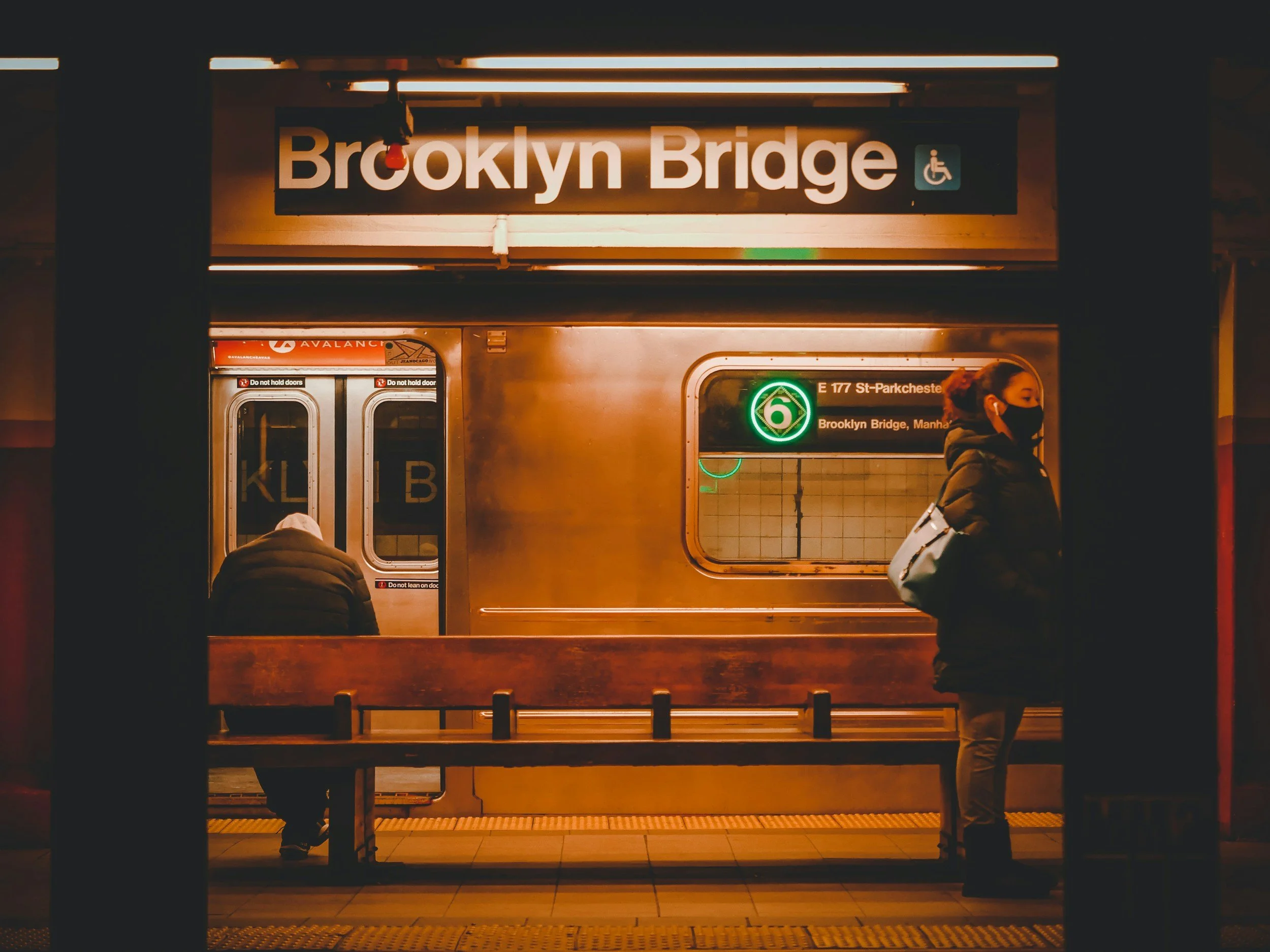
Therapy in Brooklyn supports managing burnout, stress, and overwork with practical strategies and relational insight.
New York City is a place of opportunity, ambition, and constant energy. But for many residents, especially in Brooklyn and Manhattan, this energy can come at a cost. Long work hours, demanding commutes, side hustles, and the pressure to keep up socially and professionally can leave you feeling exhausted, overwhelmed, and disconnected.
If you feel overworked or burnt out, know that you are not alone. Many New Yorkers struggle with chronic stress and burnout, and seeking support can make a significant difference in your well-being. At Groundwork Therapy, we help clients navigate burnout using evidence-based and relational approaches tailored to NYC life.
1. Signs You Might Be Experiencing Burnout
Burnout is more than being tired or stressed. Common signs include:
Feeling physically and emotionally drained most of the time
Chronic irritability or frustration at work or home
Reduced motivation or difficulty completing tasks
Feeling disconnected from your job, peers, or personal life
Trouble sleeping, frequent headaches, or gastrointestinal issues
Decreased satisfaction or sense of accomplishment
Recognizing these signs early is critical. Unchecked burnout can affect both your mental health and your professional performance.
2. Understanding Burnout in a NYC Context
City living brings unique stressors that can intensify burnout. In Brooklyn and NYC, these often include:
Crowded commutes on subways, buses, or ferries
Long work hours in high-demand industries
High cost of living, rent, and daily expenses
Pressure to maintain social and professional status
Noise, overcrowding, and sensory overload
Even positive pressures, such as advancing your career, networking, or juggling creative projects, can contribute to chronic exhaustion. A therapist familiar with Brooklyn life can help you understand how these stressors interact with your individual personality, work, and relationships. If you are looking for Brooklyn therapy services, we offer support tailored to city living and burnout.
3. Evidence-Based Strategies to Manage Burnout
Burnout is multifaceted, so strategies often address both immediate relief and long-term resilience.
Mindfulness and Stress Reduction
Mindfulness exercises, including short daily meditations or breathing practices, can reduce anxiety and help you regain focus. Even a 5-minute pause while walking in Prospect Park or along the Brooklyn waterfront can be restorative.
Cognitive-Behavioral Techniques (CBT)
CBT strategies can help you recognize and challenge unhelpful thought patterns, such as perfectionism, overcommitment, or constant self-criticism. Over time, this can reduce work-related stress and improve emotional regulation.
Healthy Lifestyle Adjustments
Small, consistent adjustments make a difference:
Regular movement or exercise
Balanced meals and adequate hydration
Sleep routines that prioritize rest
Limiting screen time and social media
Combining these approaches with therapy maximizes benefits and helps prevent relapse.
4. Relational and Depth-Oriented Approaches
Therapy that goes beyond surface-level coping addresses the underlying patterns contributing to burnout. Relational and psychodynamic therapy helps you identify relational and environmental triggers for stress, explore patterns from past experiences that influence your current work-life balance, and build coping strategies tailored to your personality and urban lifestyle. A meta‑analysis found that psychodynamic therapy produces outcomes comparable to other empirically supported treatments, suggesting that it can be as effective as other well‑studied therapies for reducing symptoms of anxiety and distress.
Relational and psychodynamic approaches help you:
Identify relational and environmental triggers for stress
Explore patterns from past experiences that influence your current work-life balance
Build coping strategies tailored to your personality and urban lifestyle
For many NYC residents, work and social expectations can exacerbate burnout. Therapy provides a space to explore these pressures and develop personalized strategies for lasting relief.
5. Strategies for Preventing Burnout
In addition to therapy, small daily habits help build resilience:
Setting boundaries around work hours and availability
Taking brief breaks during the workday, even just a walk outside
Engaging in hobbies or creative pursuits outside work
Connecting with supportive friends, family, or colleagues
Regular self-reflection through journaling or mindfulness
By integrating these practices into your routine, you can reduce stress accumulation and maintain energy.
6. When to Seek Professional Help
Consider therapy if burnout is affecting:
Your work performance or career satisfaction
Your relationships and social life
Physical health, including sleep, headaches, or gastrointestinal issues
Your emotional well-being, such as persistent irritability or low mood
A licensed Brooklyn therapist can provide tools for both coping and exploring the deeper causes of burnout.
Q: What are the signs of burnout in NYC?
A: Feeling exhausted, emotionally drained, disconnected from work or social life, and experiencing physical symptoms like headaches or insomnia.
Q: How can therapy help manage burnout?
A: Therapy provides coping strategies, explores underlying causes, and teaches sustainable practices to reduce stress and restore balance.
Q: When should I see a Brooklyn therapist for burnout?
A: When burnout affects work performance, relationships, or physical and emotional health, or when self-help strategies aren’t enough.
Get Support from a Brooklyn Therapist
If living in Brooklyn or NYC has left you feeling overworked, exhausted, or burnt out, Groundwork Therapy can help. Our approach combines evidence-based strategies with relational and psychodynamic insight to help you manage stress, understand your patterns, and restore balance.