Feeling Lonely in Manhattan? How Big Cities Can Create a Feeling of Isolation
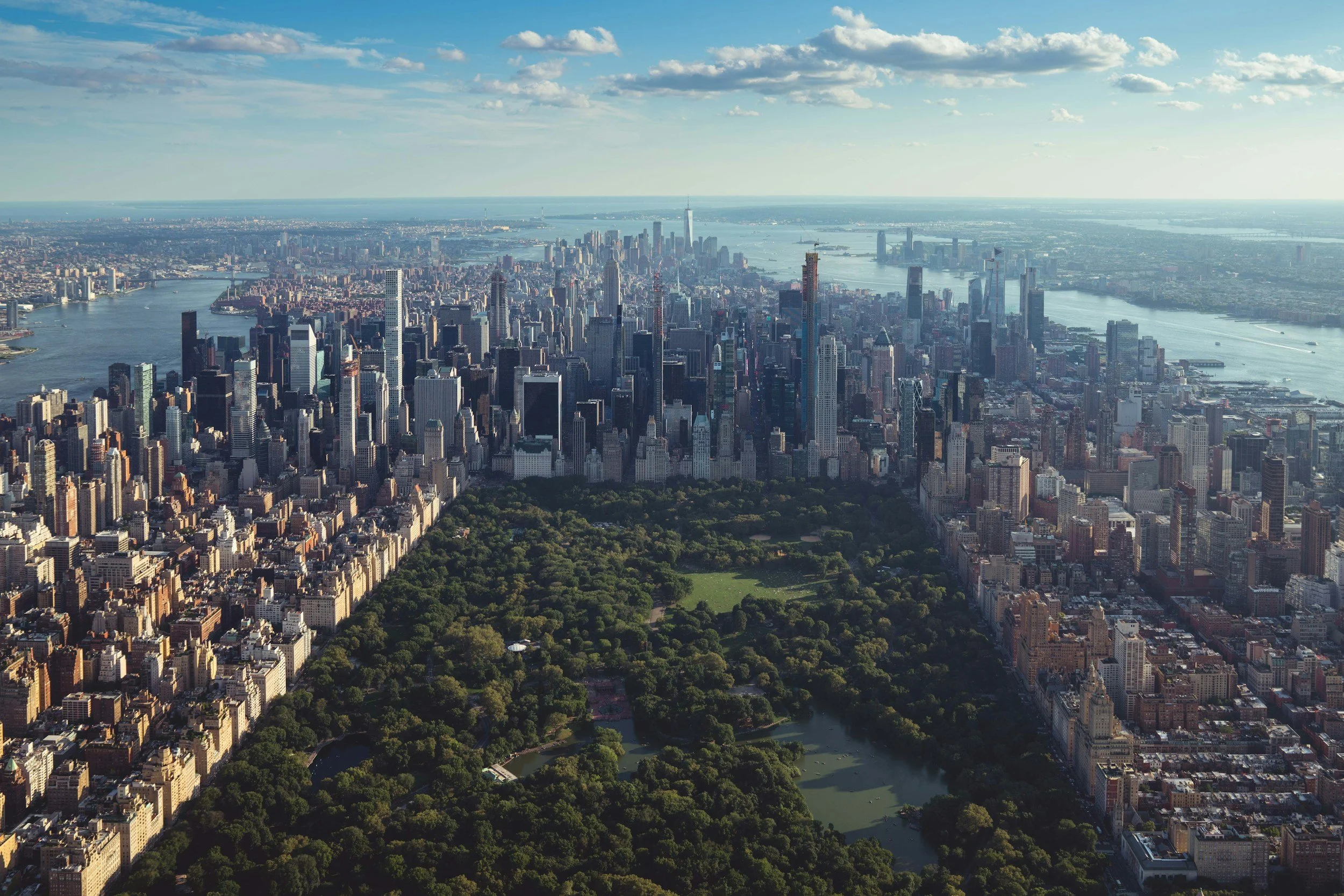
A wide view of the Manhattan skyline featuring densely packed skyscrapers, with recognizable landmarks such as One World Trade Center rising above the surrounding buildings. The image captures the energy and density of the city, illustrating the scale and intensity of urban life.
Manhattan is one of the most densely populated places in the world. With millions of people moving through the city each day, it can seem like connection should come easily.
Yet many people quietly experience the opposite.
Feeling lonely in Manhattan is a common and often misunderstood experience. You may be surrounded by crowds, commuting shoulder to shoulder, sharing elevators, or sitting in packed cafes, and still feel disconnected.
This paradox highlights an important truth. Loneliness is not about proximity to others. It is about emotional connection, belonging, and the quality of your relationships.
Why You Can Feel Lonely in a Crowd
Loneliness is often internal rather than situational. Even in a city as socially active as Manhattan, it is possible to feel unseen or unknown.
Urban environments tend to encourage brief, transactional interactions rather than deeper relationships. These surface-level exchanges do not usually meet our emotional needs for connection.
Research has shown that population density and fast-paced environments can contribute to increased feelings of isolation, even when social contact is frequent.
The Urban Environment and Mental Health
Living in Manhattan comes with unique pressures that can impact mental health and connection:
Fast-paced lifestyle with limited downtime
Competitive work environments
Frequent relocation and transient social circles
Limited time to nurture relationships
According to the World Health Organization, urban environments can influence mental health through both physical and social conditions. You can read more about this here: https://www.who.int/health-topics/urban-health
Over time, these factors can make it difficult to maintain consistent, supportive relationships.
For those seeking personalized support, learning about available Manhattan therapy services can be an important step toward addressing feelings of isolation.
Social Identity and Belonging
A key component of loneliness is the feeling of belonging.
In a large and diverse city like Manhattan, people come from many different backgrounds, cultures, and lifestyles. While this diversity is a strength, it can sometimes make it harder to find “your people.”
When individuals lack a strong sense of social identity or community, loneliness can increase. This is especially true when daily interactions do not evolve into deeper connections.
Urban Design and Its Impact on Connection
City structure also plays a role in how people connect.
Neighborhoods with walkability, shared public spaces, and community hubs tend to support more natural social interaction. Parks, local cafes, and community events create opportunities for repeated, familiar contact.
According to the World Health Organization, urban environments can influence mental health through both physical and social conditions. You can read more about this from the World Health Organization mental health fact sheet.
Without these opportunities, people may move through the same spaces without ever forming meaningful relationships.
Signs You May Be Experiencing Urban Loneliness
You might be experiencing loneliness in Manhattan if you notice:
Feeling disconnected despite frequent social exposure
Limited close friendships or support systems
Emotional exhaustion after social interaction
A sense of invisibility in daily life
Difficulty maintaining relationships due to time or energy constraints
If this feels familiar, it is important to recognize that this experience is common and not a personal failure.
How to Feel Less Lonely in Manhattan
Even though city life can contribute to isolation, there are effective ways to build connection.
1. Focus on Depth Over Frequency
A few meaningful relationships can be more fulfilling than many casual interactions.
2. Join Interest-Based Communities
Shared interests create natural opportunities for connection. Consider classes, groups, or recurring meetups.
3. Use Familiar Spaces Repeatedly
Returning to the same cafes, parks, or studios helps build recognition and familiarity over time.
4. Allow Yourself to Be Seen
Small moments of openness can lead to deeper relationships. Connection often begins with vulnerability.
5. Consider Therapy for Support
Loneliness can be deeply emotional. Therapy can help you understand patterns, improve connection skills, and process underlying feelings.
Loneliness can also feel persistent, especially in a fast-paced environment like Manhattan. Working with a therapist can help you better understand patterns, strengthen relationships, and develop tools for connection and emotional support. If you are interested in one-on-one support, you can learn more about our individual therapy services.
For additional insight into loneliness and its impact on mental health, Psychology Today offers helpful educational resources:
https://www.psychologytoday.com/us/basics/loneliness.
If you are looking to connect with others, there are also structured ways to find community, including local groups and support networks in NYC.
Getting Support in Manhattan
If you are feeling lonely in Manhattan, you do not have to navigate it alone.
Connection is possible, even in a fast-paced city. With the right support, it is possible to build meaningful relationships and feel more grounded in your environment.
Reach out today to learn more about how therapy can support you in overcoming loneliness, strengthening relationships, and creating a greater sense of connection in your life.